




Превью выставки ISE 2026: Ключевые тенденции, формирующие будущее индустрии светодиодных дисплеев
As the world gears up for Integrated Systems Europe (ISE) 2026, the premier event for the professional AV and systems integration industry, it’s time to look ahead at the trends and innovations that will define the future of LED displays. Based on a comprehensive analysis of the market landscape, here’s an exclusive preview of what to expect, providing a strategic guide for industry professionals, partners, and clients.
1. The Competitive Landscape: Core Strengths of Key Market Players
The LED display industry is characterized by a clear hierarchy of brands, each with distinct competitive advantages. From global giants driving technological innovation to specialized players dominating niche markets, the competition is more diverse than ever.
Уровень 1: Международные титаны (например, LG, Samsung)
The industry’s leading international brands continue to leverage their core strengths in in-house display technology R&D, unmatched brand influence, and their role as industry standard-setters. These companies are increasingly focusing on high-barrier technology sectors and integrated, system-level solutions, strategically moving away from the price-sensitive, low-end market.
•LG & Samsung: Both giants are pivoting from LCD to OLED and high-end LED technologies. Their strategy is to dominate the premium market by focusing on high-value, technologically advanced products and leaving the high-volume, standardized market to others.
Tier 2: The Specialized High-End Players (e.g., ROE Visual, Aoto)
These brands have built their reputation on deep expertise in specific, high-value application scenarios. Their competitive edge lies in a powerful combination of “Technology + Scene-Specific Application + Engineering Excellence.”
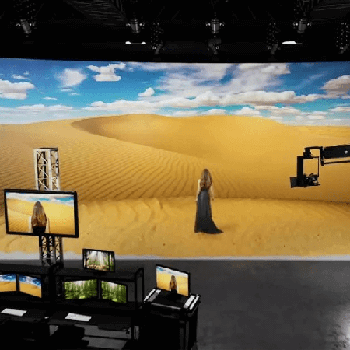
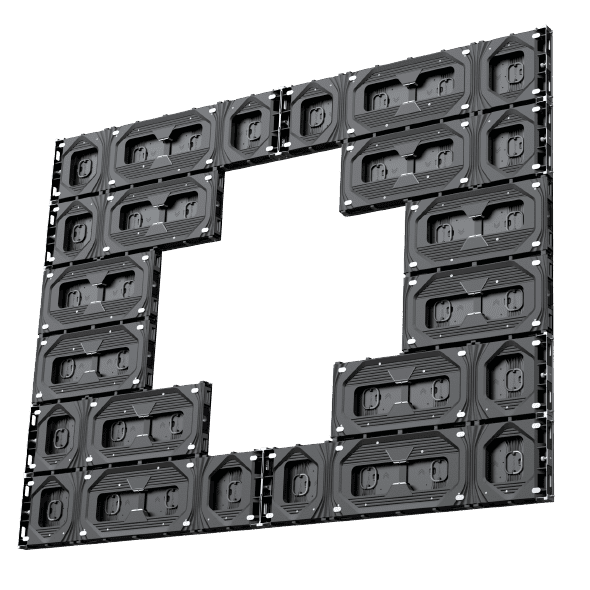
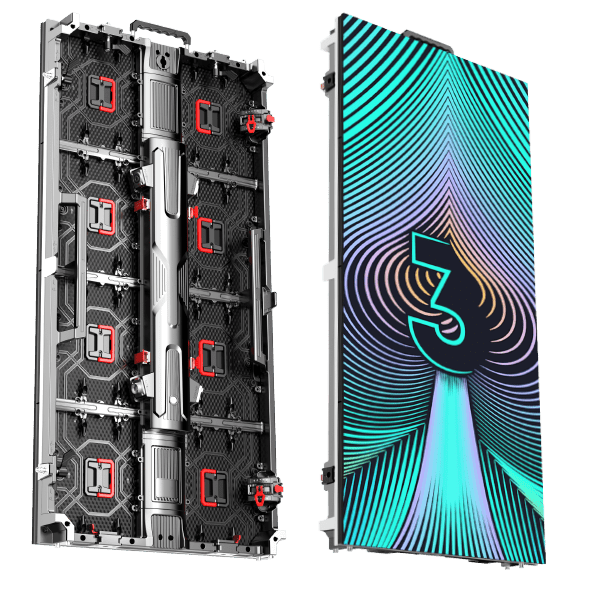
•ROE Visual: A leader in the XR/VP (Virtual Production) space, ROE Visual has capitalized on the surging demand for virtual sets, offering high-performance rental products with advanced mechanical designs.
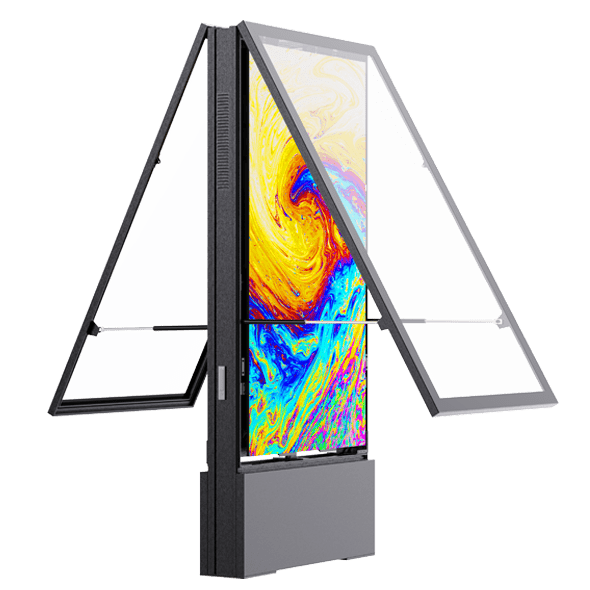
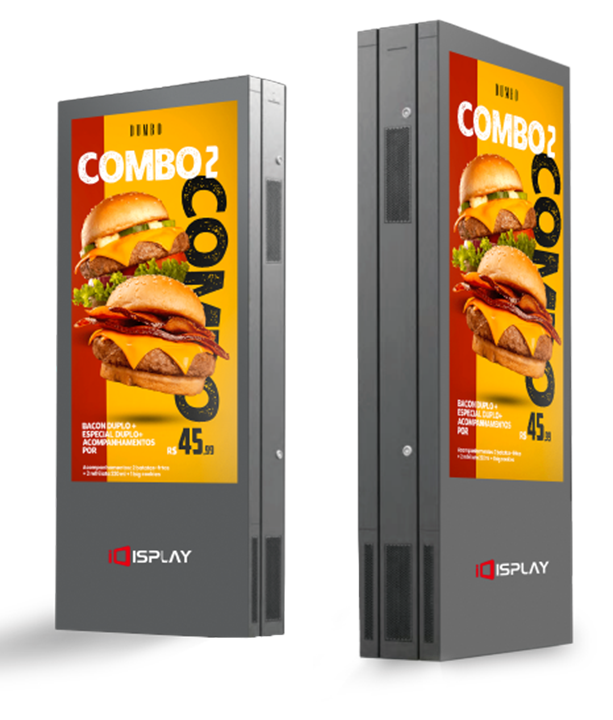
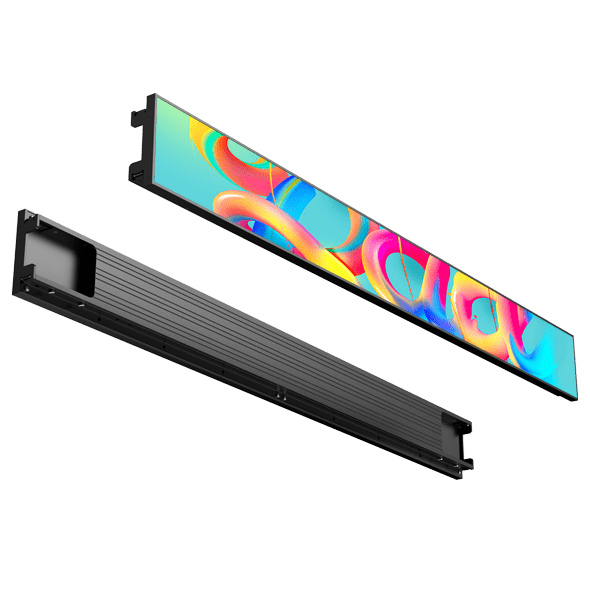
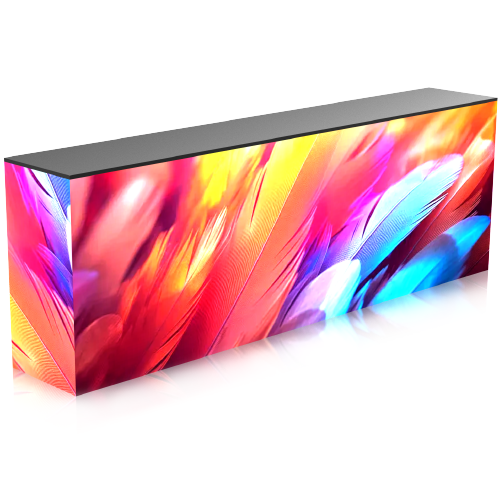
•Aoto: Specializing in fine-pitch LED for high-end commercial displays, Aoto is known for its technological precision and innovative products like double-sided, ultra-thin screens for airports and retail centers.
Tier 3: The Agile Mainstream & Emerging Brands (e.g., Unilumin, Absen)
This group of manufacturers stands out for its comprehensive product lines, rapid market responsiveness, и superior cost control and scalability. They are adept at quickly adapting to market trends and capturing market share in various segments.
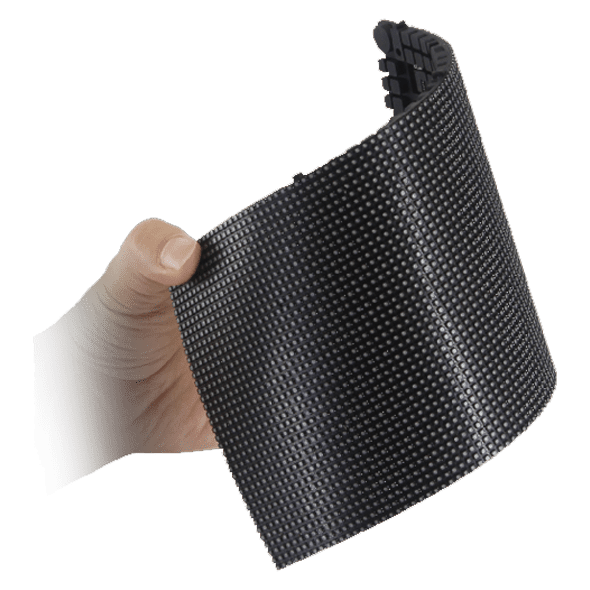
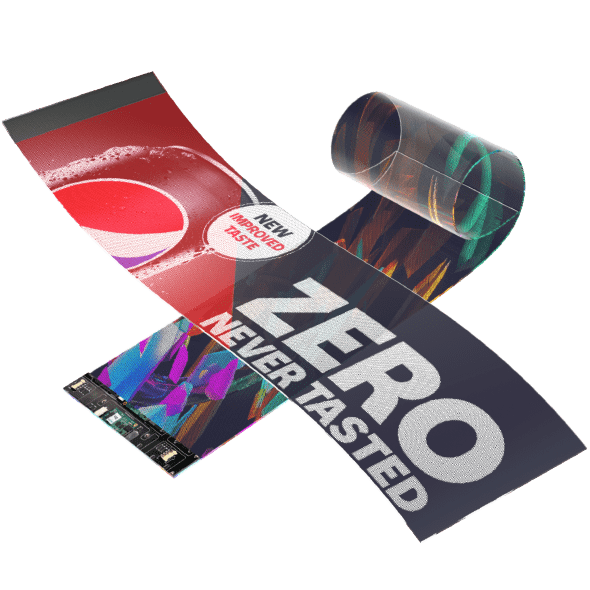
•Unilumin: Offers an exceptionally broad product portfolio, including fixed, rental, transparent, and film screens. Their film screens are increasingly viewed as a future-forward “architectural material.”
•Absen: With a strong presence in XR and broadcast applications, Absen has also launched a dedicated sub-brand, ABC Live, to target the transparent screen rental market, showcasing a strategy of precise market segmentation.
2. From Pixels to Experiences: The Evolution of Products & Solutions
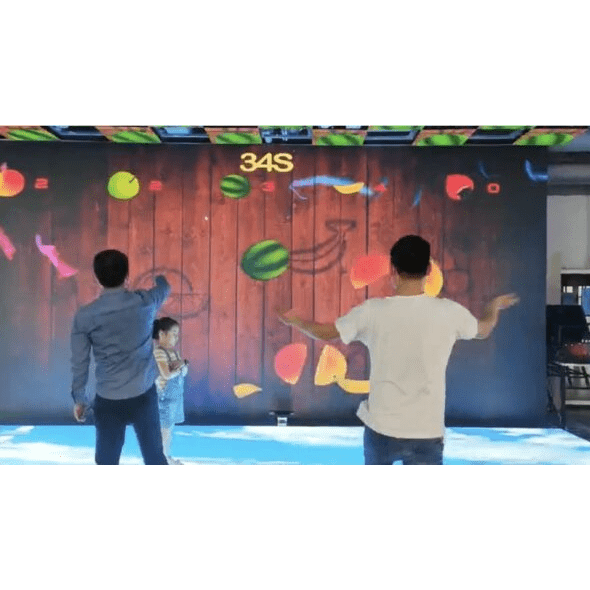
The industry consensus is clear: the future is not just about selling screens, but about delivering integrated, scene-based experiences. This shift is reflected in both product innovation and solution development.
Key Product Lines to Watch
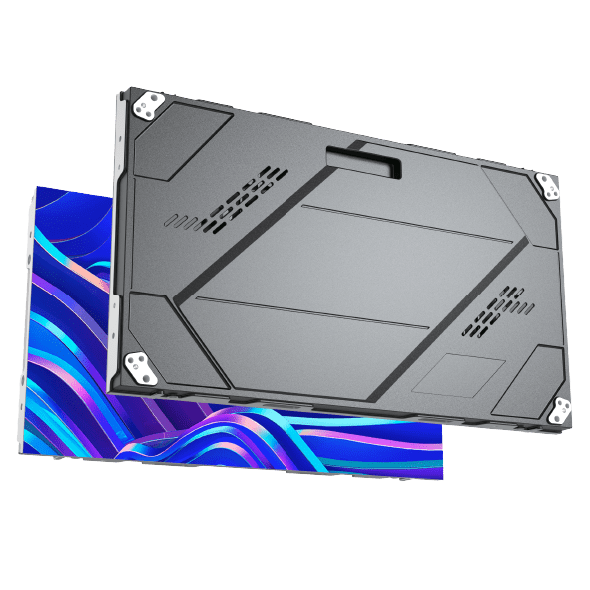
•Fine-Pitch LED: Products with a pixel pitch below P1.25 are now mainstream. COB (Chip-on-Board) technology is steadily replacing traditional SMD, offering lower power consumption and higher reliability.
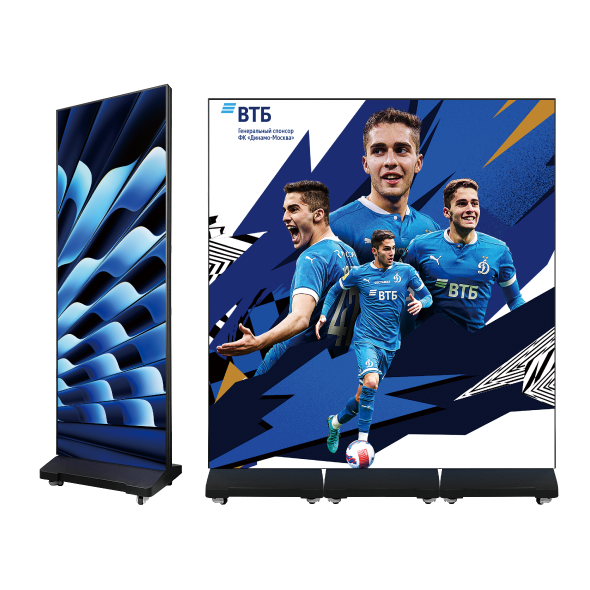
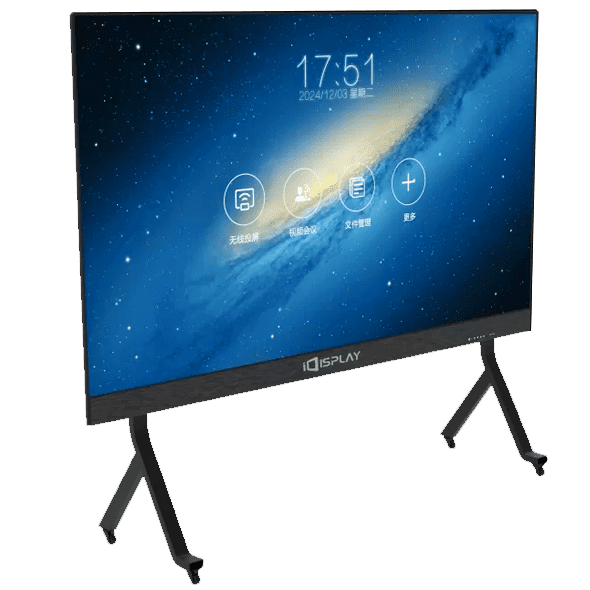
•All-in-One LED Displays: Standardized large-format displays (e.g., 135 inches) are becoming popular for corporate meeting rooms and auditoriums, offering a turnkey solution.
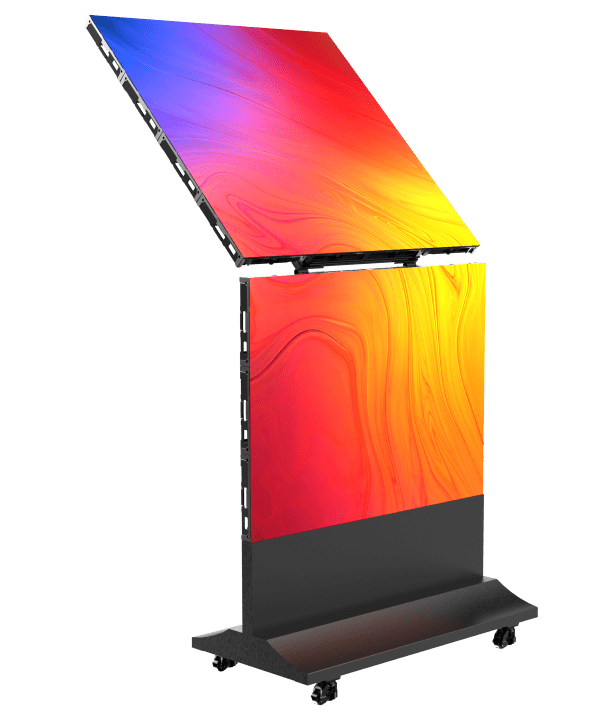
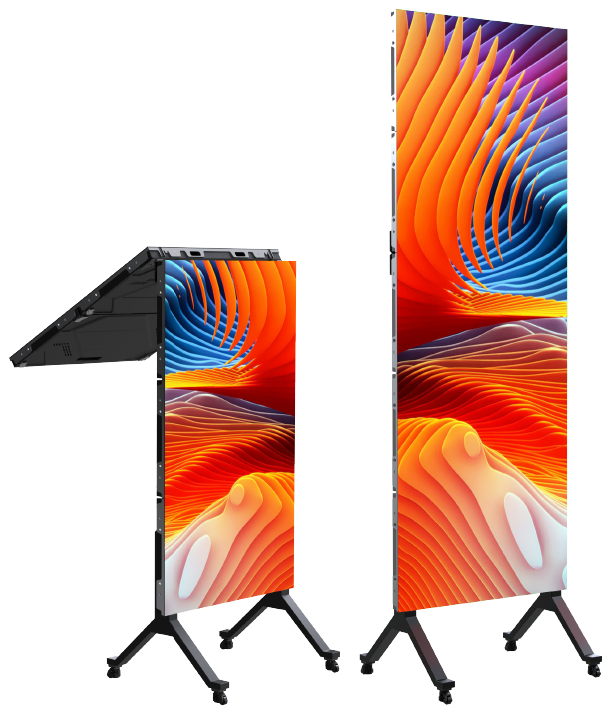
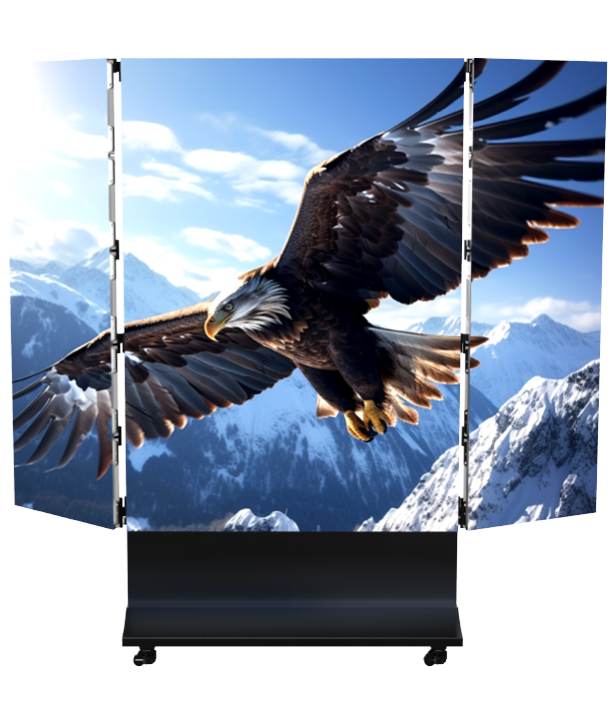
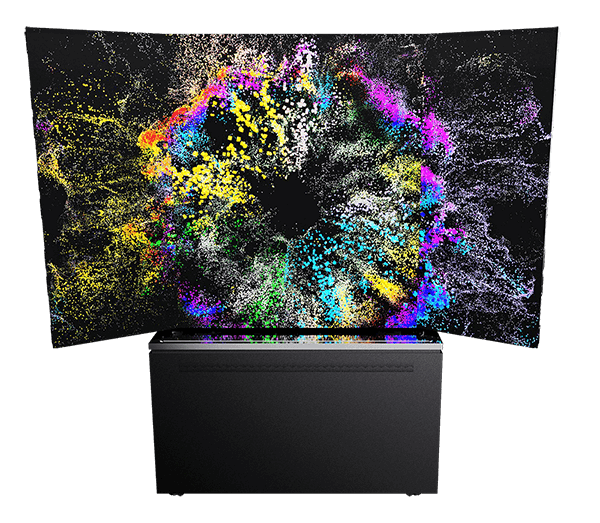
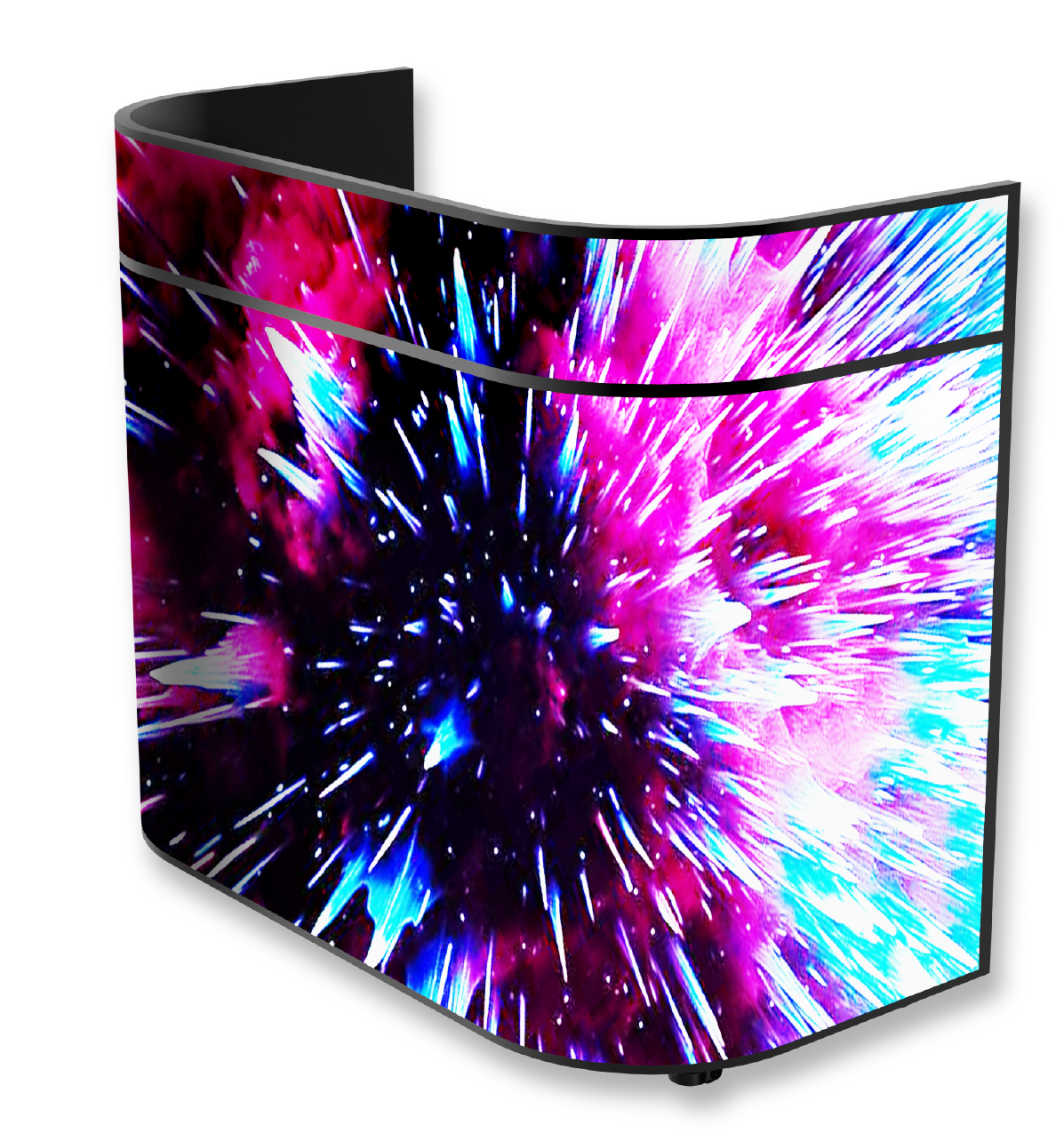
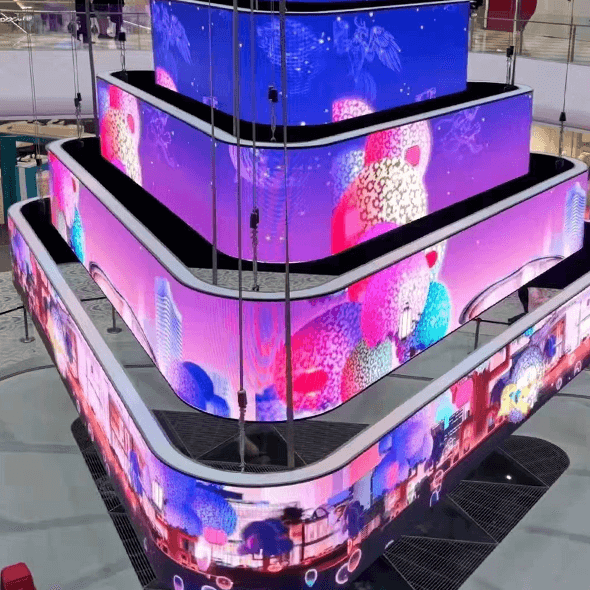
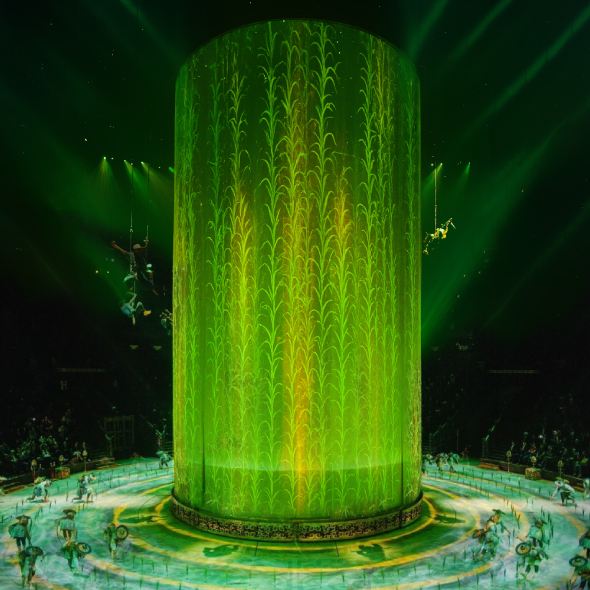
•Creative & Free-Form Displays: Spherical, curved, and double-sided screens are breaking the mold of traditional flat panels, enabling new dimensions of creativity.
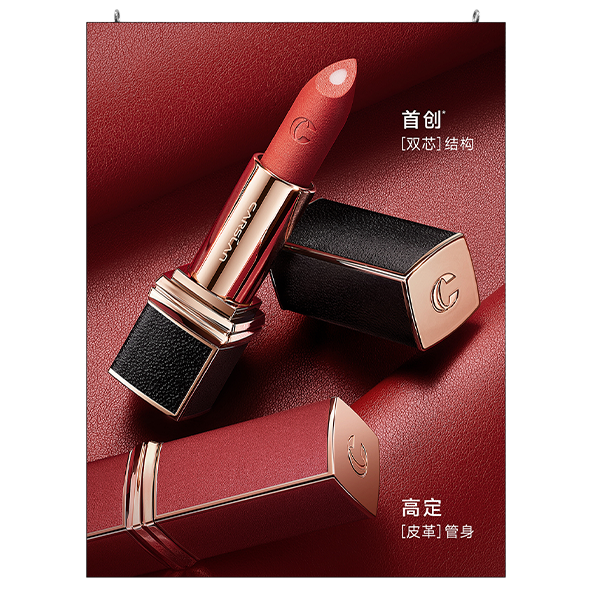
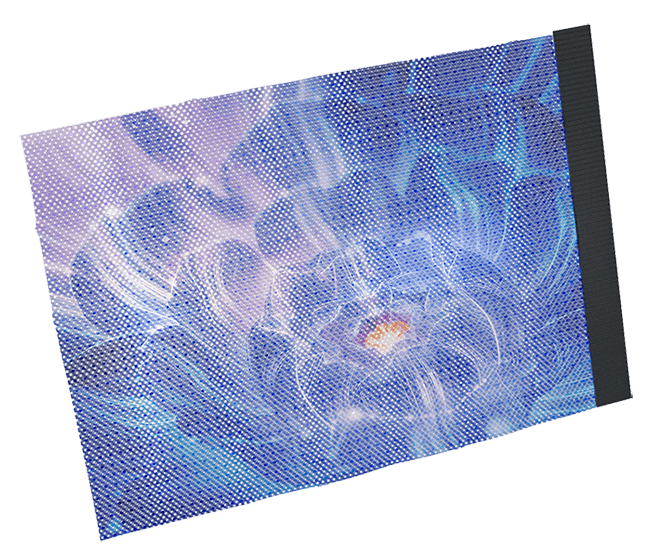
•Transparent & Holographic Screens: Transparent OLEDs and LED film displays are transforming retail windows and event stages, creating captivating visual effects while maintaining visibility.
The Rise of Scene-Based Solutions
•XR/Virtual Production: This remains a primary driver of the high-end market, revolutionizing film and television production by replacing green screens with immersive LED backdrops.
•Architectural Integration: LED displays are no longer just add-ons but are becoming an integral part of architectural design. LED film screens, for example, can turn an entire building facade into a dynamic canvas.
•High-End Commercial & Retail: Custom, large-scale LED installations are redefining the customer experience in flagship stores, corporate lobbies, and public transportation hubs.
3. Market Outlook: A New Era of Competition
As we look towards ISE 2026, the dynamics of the LED display industry signal a move beyond the “spec wars” of resolution and brightness. The new era of competition is defined by a trifecta of “Application + Solution + Engineering Capability.”
•Premium Brands are building higher walls around their leadership position through technological innovation and deep integration into high-value applications.
•Mid-Tier Brands are competing on speed, scale, and global delivery, using refined market strategies and sub-brands to capture mainstream market share.
•Emerging Players are disrupting the market through innovation in form factors and by carving out niches in specialized technologies.
For companies like idisplayled.com, understanding these trends is crucial for navigating the evolving landscape and shaping a forward-looking strategy for product development and market engagement. We look forward to seeing you at ISE 2026 to explore the future of display technology together!