





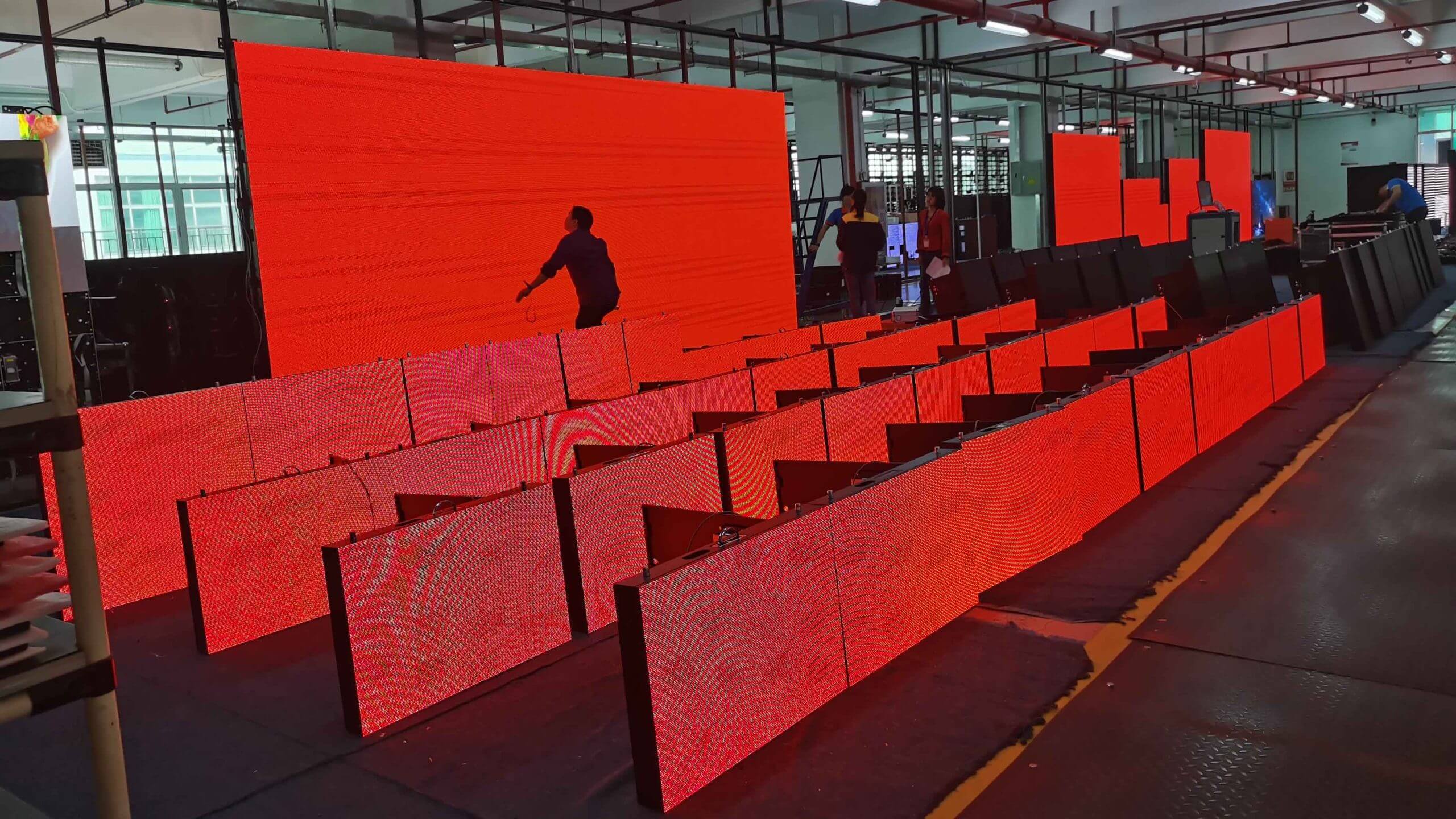
In today’s digital world, LED displays have become a staple in both indoor and outdoor advertising, providing vibrant and dynamic visuals. However, not all LED displays are created equal, and ensuring you get the best quality is essential for maximum impact. Here are six crucial tips to help you evaluate the quality of an LED display effectively.
1.平坦性の評価
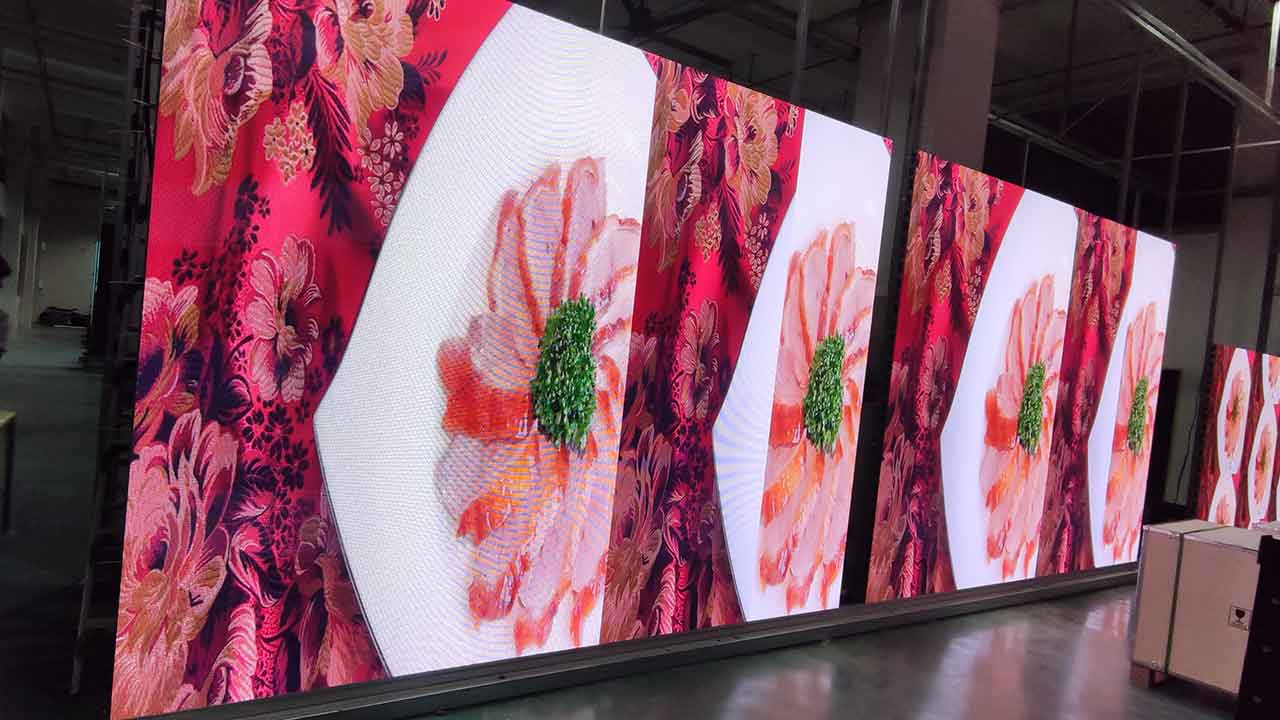
Flatness is a fundamental aspect of an LED display’s quality. A screen with uneven flatness can cause image distortions, leading to poor visual performance. The ideal flatness should be within ±1mm. You can perform a visual inspection to check for any noticeable protrusions or depressions. Pay special attention to the assembly process, especially for displays below P3, as gaps between modules can cause visible black lines and affect the overall visual experience.
2.明るさと視野角の評価
The brightness of an LED display is crucial for visibility. For indoor full-color screens, the brightness should range from 800-2000 cd/m², while outdoor screens should be between 5000-7500 cd/m². Brightness that is too low or too high can result in unclear images. The brightness level is primarily determined by the LED’s crystal size. Additionally, the viewing angle is essential—the wider the angle, the better the display’s visibility from different positions. This is mainly influenced by the packaging method of the LED core.
3.ホワイトバランスのチェック
White balance is a critical indicator of an LED display’s color accuracy. Ideally, the display should show pure white when the red, green, and blue colors are in a 1:4.6:0.16 ratio. Any deviation might cause the white to appear bluish or yellowish-green. The control system of the display plays a significant role in maintaining the correct white balance. Ensuring accurate white balance guarantees that other colors will also be reproduced faithfully.
4.カラーブロックと色の違いを識別する
カラーブロックとは、隣接するモジュール間の著しい色のばらつきのことで、色の遷移に顕著な不一致をもたらす。この問題は通常、劣悪な制御システム、低いグレーレベル、低いスキャン周波数によって引き起こされる。高品質のLEDディスプレイは、目立つブロックのないシームレスな色遷移を持ち、スムーズで一貫性のある画像を保証する必要があります。
5.色再現性の検証
色再現性は、ディスプレイが元のソースからの色をどれだけ正確に再現しているかを測定する。高品質のLEDディスプレイは、オリジナル画像に忠実な色を再現し、表示されるコンテンツの信憑性と鮮やかさを保証する必要があります。この要素は、ブランディングや広告など、色の正確さが重要なアプリケーションにとって極めて重要です。
6.モザイクとデッドスポットの検出
Mosaic effects occur when there’s an uneven color distribution across the display, often resulting in small, perpetually bright or dark squares. This issue is usually due to poor-quality connectors. Dead spots refer to individual LEDs that are permanently on or off, impacting the visual integrity of the display. The occurrence of dead spots is influenced by the quality of the LED’s core components. Regular checks for these issues can help maintain the display’s overall performance.
結論
LEDディスプレイの品質を確保するには、平坦度、輝度、視野角、ホワイトバランス、色の一貫性、モザイクやデッドスポットの有無など、いくつかの要素を慎重に検討する必要があります。これらのヒントに従うことで、優れた性能、長寿命、視覚的に魅惑的な体験を提供するLEDディスプレイを選ぶことができる。高品質のLEDディスプレイに投資することは、視聴体験を向上させるだけでなく、長期的な信頼性と満足度を保証する。