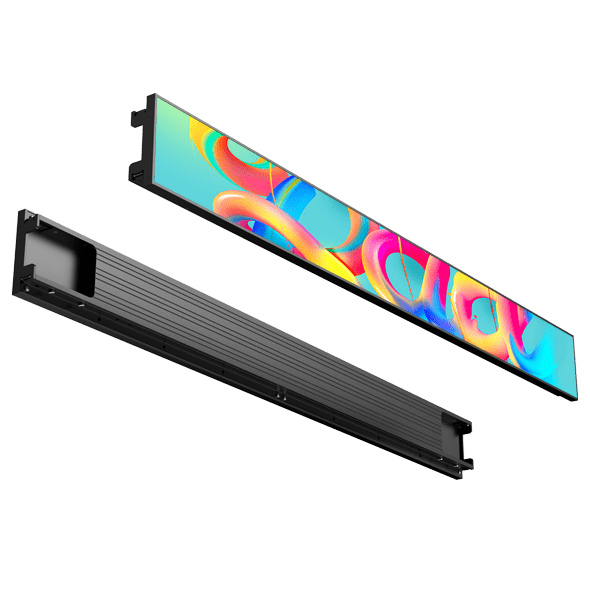
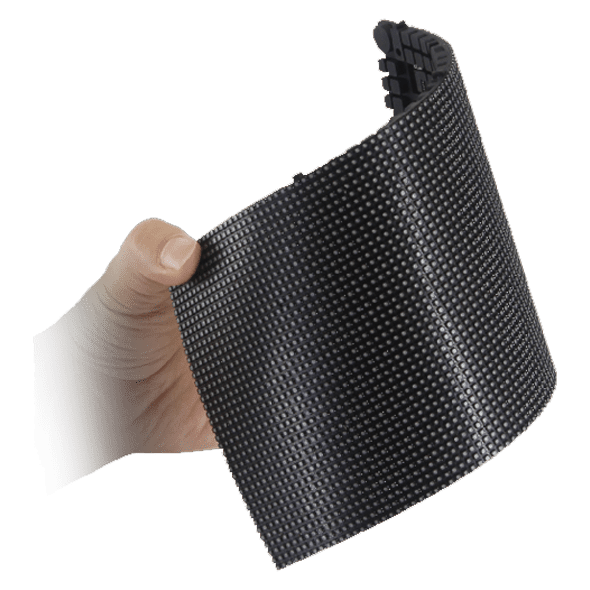
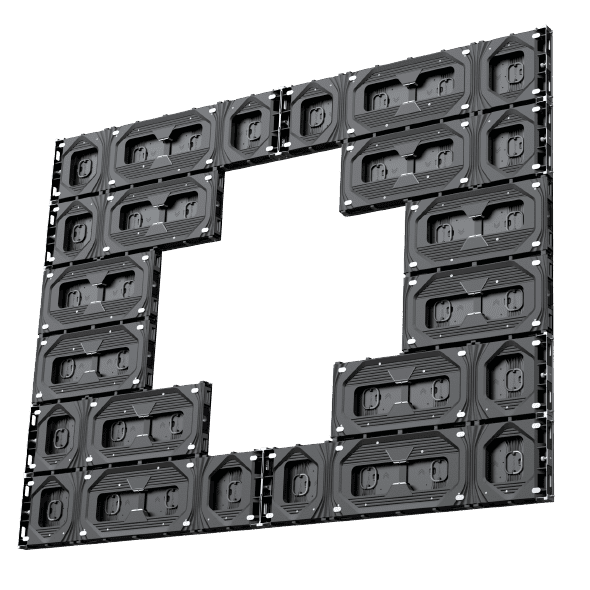
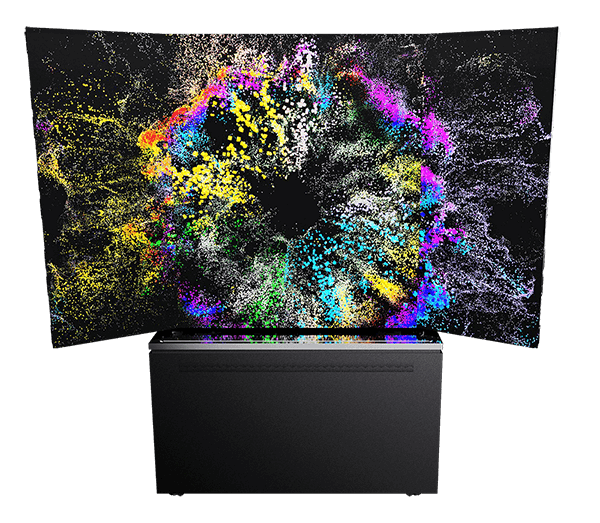
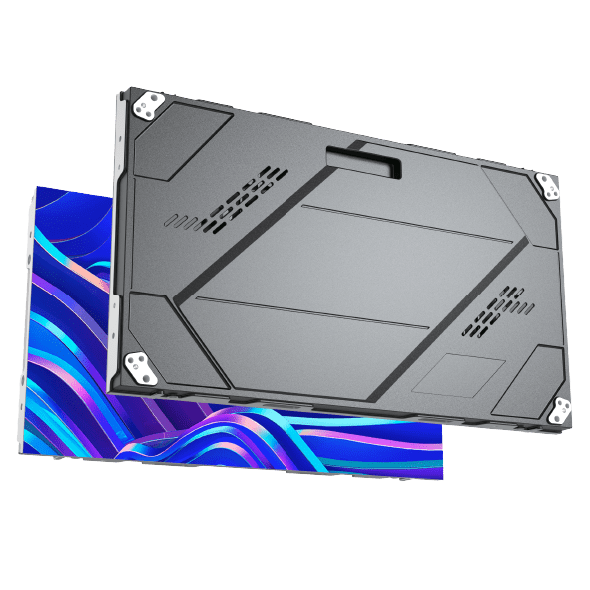
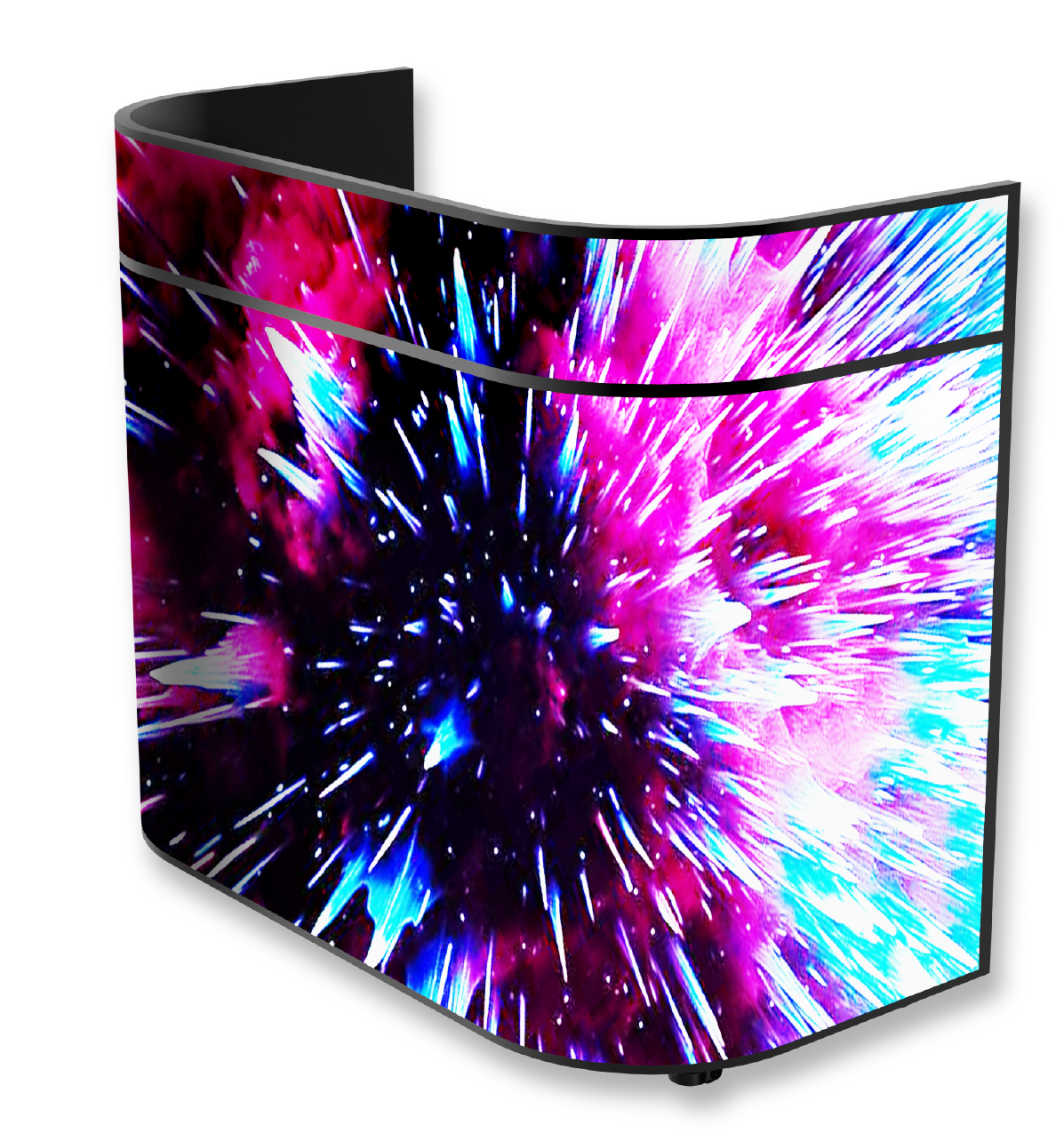
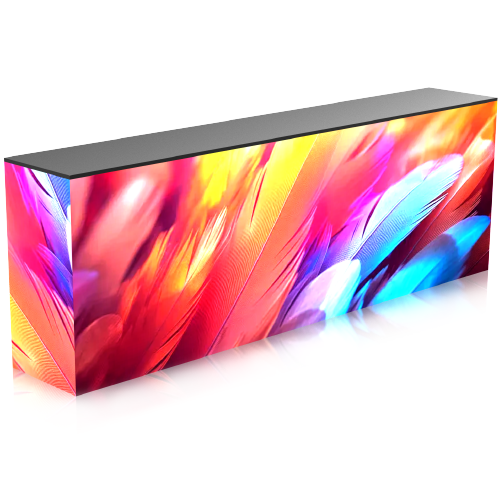



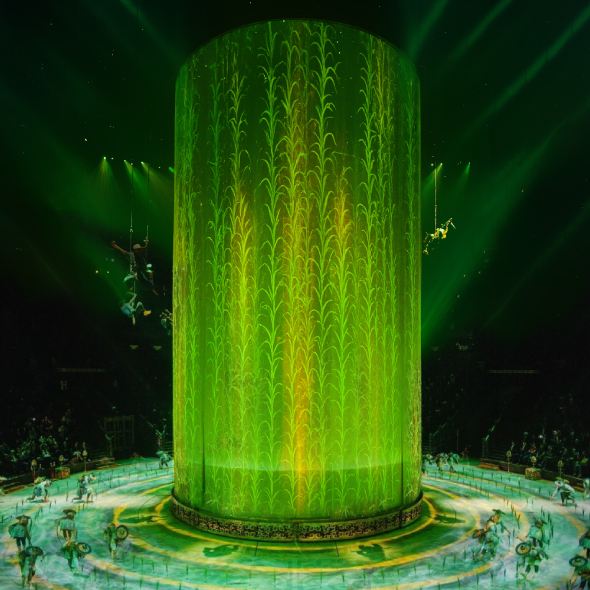
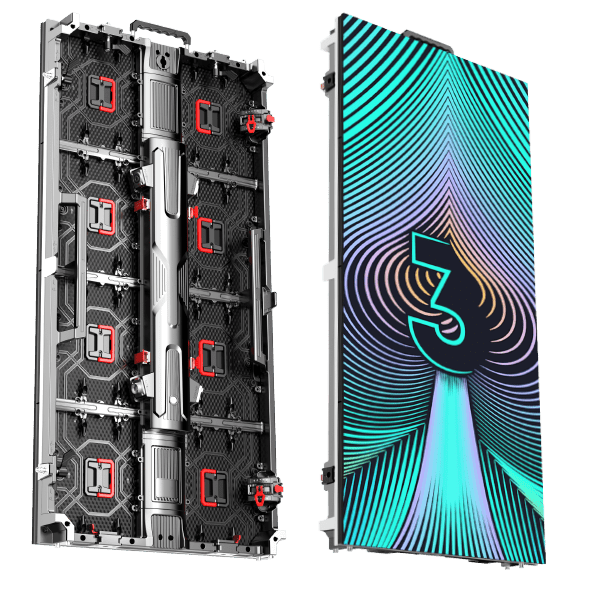


For major concerts, brand launches, large-scale sports events, and immersive stage productions, the right solution for flexible creative displays is a Flexible LED Carpet Screen. Also known as a flexible LED mesh screen, LED fabric screen, or soft LED screen, this product belongs to the broader LED display category. It delivers the brightness, color performance, and stability expected from standard LED displays, while adding the ability to bend, form custom shapes, and be cut to fit irregular contours.
MagicStage is iDisplay’s flexible carpet screen product line designed for stage applications. It is built for projects where conventional rigid LED cabinets limit creativity, increase structural costs, or make installation unnecessarily heavy.
Key features include:
- 4 mm thickness
- Less than 3 kg/m² weight
- Customizable to any radius
- Static drive with integrated LED and driver IC for camera-friendly performance with no scan lines or moiré
- 16-bit grayscale for smooth low-brightness transitions
- 50 m² packed in one flight case for efficient touring and transport
The five areas where stage flexible screen budgets most often spiral out of control are structural cost, camera compatibility, load-bearing and wind-resistance margin, low-grayscale performance, and LED failure propagation. All five are parameter problems, which means they also have parameter-based answers.
Key Specifications at a Glance
| Item | Specification |
|---|---|
| Product | MagicStage Flexible LED Carpet Screen |
| Manufacturer | Shenzhen iDisplay Technology Co., Ltd., established in 2018 |
| Category | Flexible LED Carpet Screen / Flexible LED Mesh Screen / LED Fabric Screen |
| Thickness | 4 mm |
| Weight | ≤3 kg/m²; P20 as low as 2 kg/m² |
| Curvature Radius | Customizable to any radius |
| Drive Method | Integrated LED and driver IC + static drive, non-PWM scanning |
| Grayscale | 16-bit, 65,536 levels |
| LED Addressing | Coded LEDs, with an independent address code for each LED |
| Packaging | 50 m² per flight case; rollable and foldable for storage |
| Pixel Pitch | P5 / P6.25 / P10 / P15.625 / P20 / P25 |
| Certifications | CE / RoHS / FCC; factory certified to ISO 9001:2015 and ISO 14001:2015 |
1. What Is a Flexible LED Carpet Screen, and Where Does It Fit in the LED Display Category?
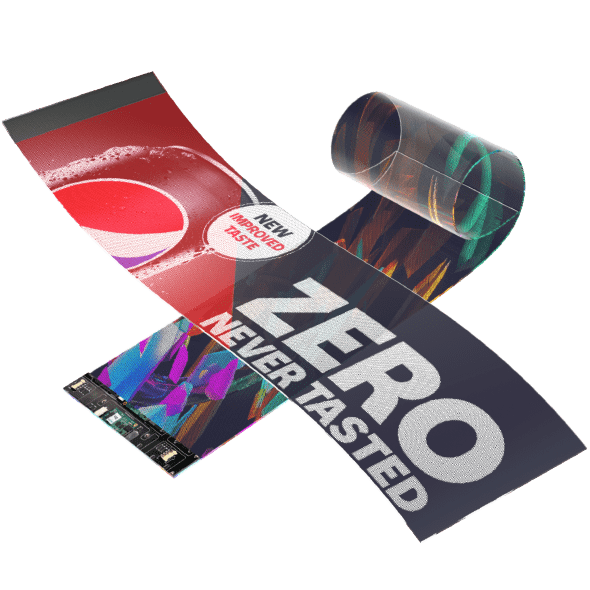
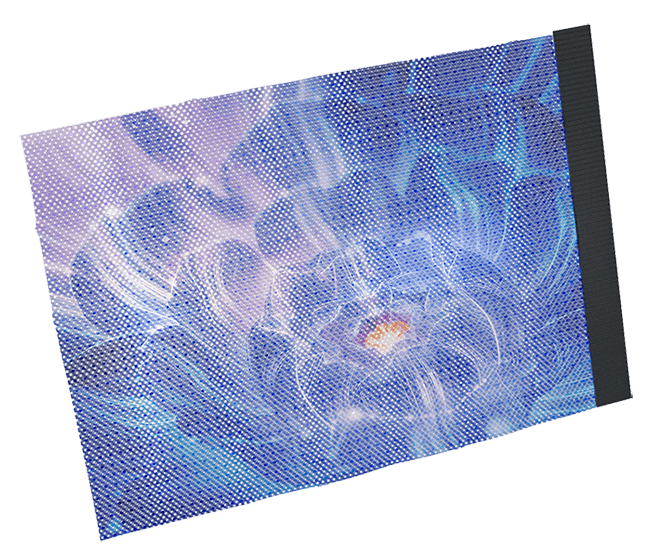
A flexible LED carpet screen is a bendable LED display built on a flexible fiber mesh or fabric substrate. It offers the brightness, color performance, and stability of standard LED displays, while adding the ability to bend, form custom shapes, and be cut to match irregular outlines. In English search environments, it is also commonly referred to as a flexible LED mesh screen, LED fabric screen, soft LED screen, or flexible LED carpet.
One point needs to be clear: a flexible LED carpet screen is not a compromised display technology. It is a subcategory of LED display technology with full-color display capability. The difference lies in the structure. Instead of using a rigid PCB board and metal cabinet, it uses flexible full-color LED strips and an independent control system. That structural change is what gives the screen its flexibility.
Reference specifications for the MagicStage series include:
- Thickness: 4 mm
- Weight: Less than 3 kg/m²
- Curvature radius: Customizable to any radius
- Base material: Polyester fabric and fiber rope
- Output voltage: DC 5V, with optional DC 12V
- Service life: 50,000 hours
- Control system: Redfive / Novastar
When we say MagicStage can be customized to any radius, it means the product is not limited by a fixed minimum bending radius. Instead, the screen is built around the designer’s intended contour. The display adapts to the creative shape, rather than forcing the design to adapt to the screen.
2. Why Traditional LED Screens Struggle with Flexible Creative Displays
Traditional soft LED screens and rental cabinets are typically built with rigid PCB boards and metal cabinet structures. They are usually 80-150 mm thick and weigh 15-30 kg/m². They can support limited curves, but they cannot be freely cut into arbitrary shapes.
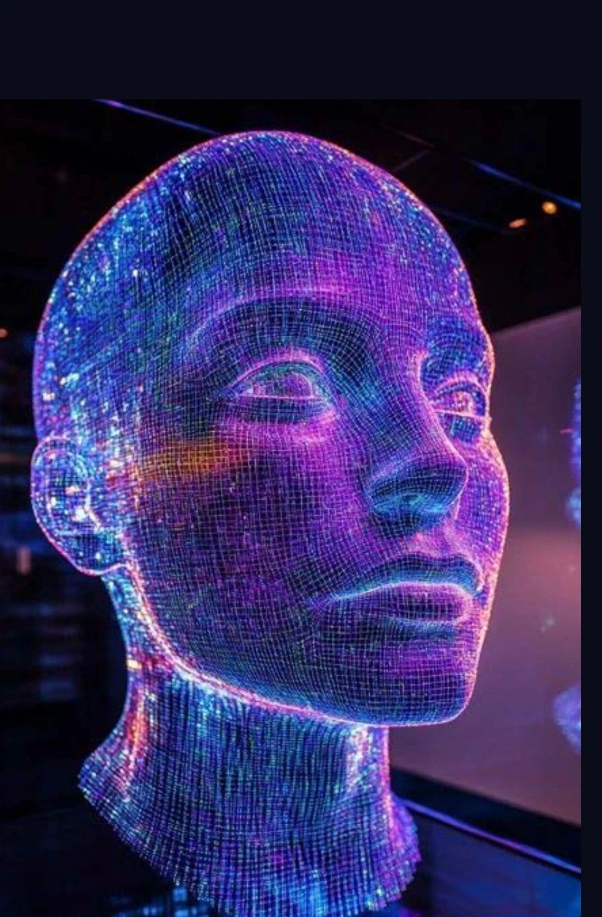
This structure is exactly what makes S-shaped forms and 3D sculptural displays difficult. The rigidity forces designers into a compromise: either use heavy cabinet splicing with higher structural cost, or simplify the geometry and lose the original creative intent.
A flexible LED carpet screen solves the problem at the material level. By replacing rigid PCB boards and cabinets with flexible full-color LED strips and an independent control system, MagicStage achieves a 4 mm ultra-thin structure, customizable radius, free cutting, rollable storage, and foldable handling.
This is not only a visual difference. For a 100 m² stage backdrop, a traditional soft LED screen may weigh around 1,500-3,000 kg, while MagicStage weighs around 200-300 kg. That ratio often determines whether the truss system needs a new structural calculation.
3. Typical Applications for Flexible LED Carpet Screens
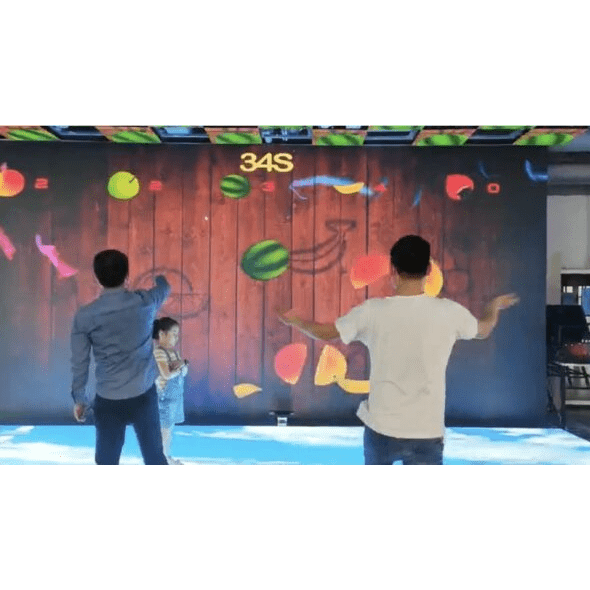
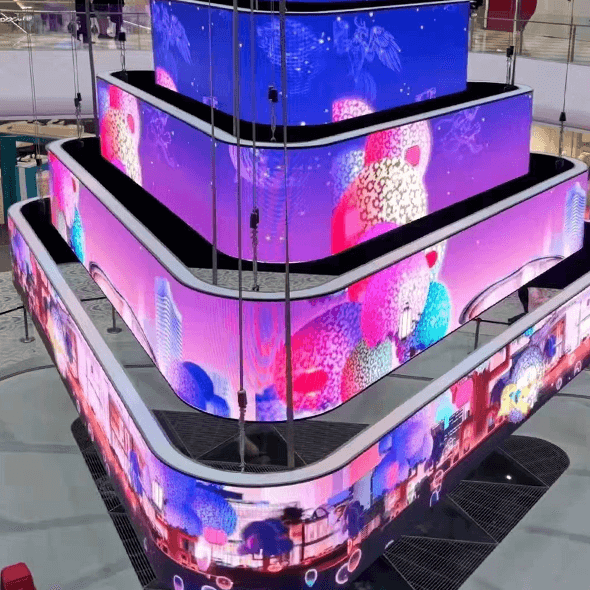
Flexible LED carpet screens are used wherever large-scale, non-rectangular canvases need to display dynamic content. Common applications include:
Concert stage backdrops and main visuals
For irregular stage visuals that go beyond standard rectangular splicing.
Brand launch screens and interactive installations
For custom brand shapes, suspended installations, and sculptural display structures.
Opening and closing ceremonies for sports events
For circular screens, lifting displays, floating spherical screens, and other large-format creative structures.
Custom stage art installations
For LED sculptures such as horses, lions, curtains, suspended spheres, and other artistic forms that need to carry moving images.
Night tourism and architectural lighting
For landmarks, scenic zones, and immersive nighttime environments.
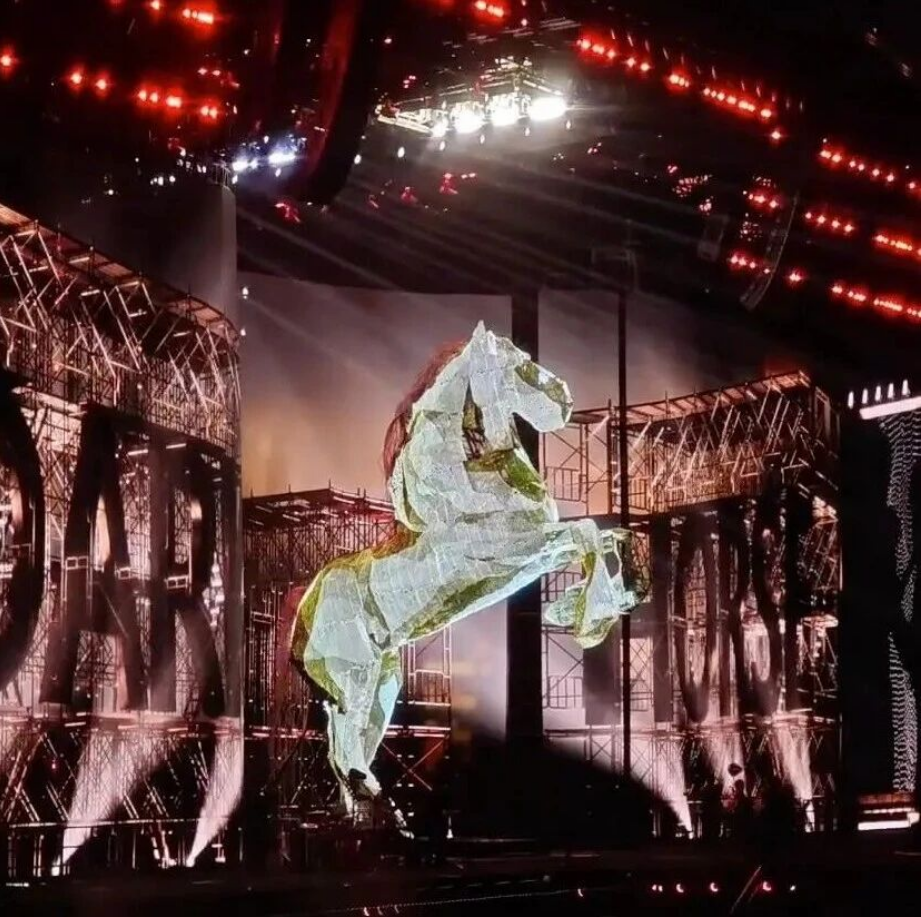
A proven example is the LED Horse used in Li Ronghao’s “Black Horse” concert tour. The sculptural horse was assembled using MagicStage flexible LED screens, with approximately 2,000 m² of screen area and more than 1,000 irregular display surfaces per show. This is exactly the type of challenge the category was created to solve: a shape that rigid cabinet screens cannot realistically build, achieved through a lightweight screen that can be suspended and shaped.
4. The 5 Most Common Pitfalls When Choosing a Flexible LED Stage Screen
Pitfall 1: High Structural and Mechanical Costs, with Rigid-Looking Shapes
What goes wrong:
The screen cannot support the designer’s intended form, so the production team has to return to cabinet splicing or simplify the geometry.
What it costs:
Additional cabinets, brackets, and reinforcement used to approximate curves can push structural and mechanical costs close to double. Even then, the final stage effect may still look stiff and disconnected from the overall live experience.
The parameter-based answer:
Use a screen without a fixed curvature limitation, and one that can be cut into custom shapes. MagicStage can be customized to any radius and cut into arbitrary forms, allowing the display to follow the designer’s intention instead of forcing the design to fit a rigid screen. This is the capability behind the LED Horse in Li Ronghao’s “Black Horse” tour.
Pitfall 2: Poor Camera Compatibility, with Scan Lines and Moiré Ruining the Shot
What goes wrong:
Even with high refresh rates, PWM scanning can still create scan lines and moiré patterns in low-grayscale scenes. Under close-up live broadcast cameras, the screen reveals itself instead of disappearing into the stage image.
What it costs:
Directors and camera operators have to work around the screen by changing camera angles, lighting, and white balance. Production time increases, and some originally planned shots may have to be abandoned.
The parameter-based answer:
Change the drive method instead of only increasing refresh rate. MagicStage uses integrated LED and driver IC technology with static drive, rather than PWM scanning. Because the LEDs are not scanned, there is no scanning pattern to interfere with the camera and no moiré pattern to avoid. For live broadcasts and filmed stage productions, the screen is camera-ready on arrival.
Pitfall 3: Insufficient Load-Bearing, Wind-Resistance, and Vibration Margin
What goes wrong:
Stage truss systems have weight limits. Outdoor installations also require wind-resistance and vibration margin. If the screen is too heavy, it silently consumes the available structural margin.
What it costs:
The usable display area becomes limited by weight rather than by budget or creative ambition. In severe cases, overload may cause truss deformation or structural failure.
The parameter-based answer:
Reduce weight and allow airflow. MagicStage weighs ≤3 kg/m², with the P20 version as low as 2 kg/m². Compared with traditional screens, it is roughly one-fifth to one-tenth of the weight, giving the structural margin back to display area instead of dead load. For outdoor applications, transparency up to 75% helps airflow pass through the screen. Class VI flame-retardant construction and IP65 protection for P10, P15.625, and P20 support outdoor deployment.
Pitfall 4: Poor Low-Grayscale Performance and Harsh Color Banding
What goes wrong:
An 8-bit screen can produce visible banding in darker content. Concert atmosphere visuals and cinematic low-light scenes lose their depth and subtlety.
What it costs:
The most memorable moments of a live show are often the ones built around mood and atmosphere. If the screen cannot render dark-to-bright transitions smoothly, those moments feel cheaper than they should.
The parameter-based answer:
Bit depth matters. MagicStage uses 16-bit grayscale with 65,536 levels. Where 8-bit displays begin to show banding, MagicStage maintains smooth transitions from shadow to highlight. For professional stage applications, 16-bit grayscale is a baseline requirement, not an optional upgrade.
Pitfall 5: LED Failure Propagation, Where One Bad LED Turns into a Dark Section
What goes wrong:
Many common solutions rely on breakpoint resume designs, using a main signal line and a secondary signal loop. If a driver issue or failure interrupts part of the strip, the downstream LEDs may go dark together. A single-point failure can become a visible blackout during a live event.
What it costs:
The result can be an unrecoverable live-show incident, emergency on-site repair under performance conditions, or an entire visible area disappearing from the stage.
The parameter-based answer:
Use coded LEDs and modular design. Each MagicStage LED has its own independent address code. A single LED failure does not affect the surrounding LEDs. The modular design also allows faulty modules to be replaced on site instead of sending the entire screen back to the factory.
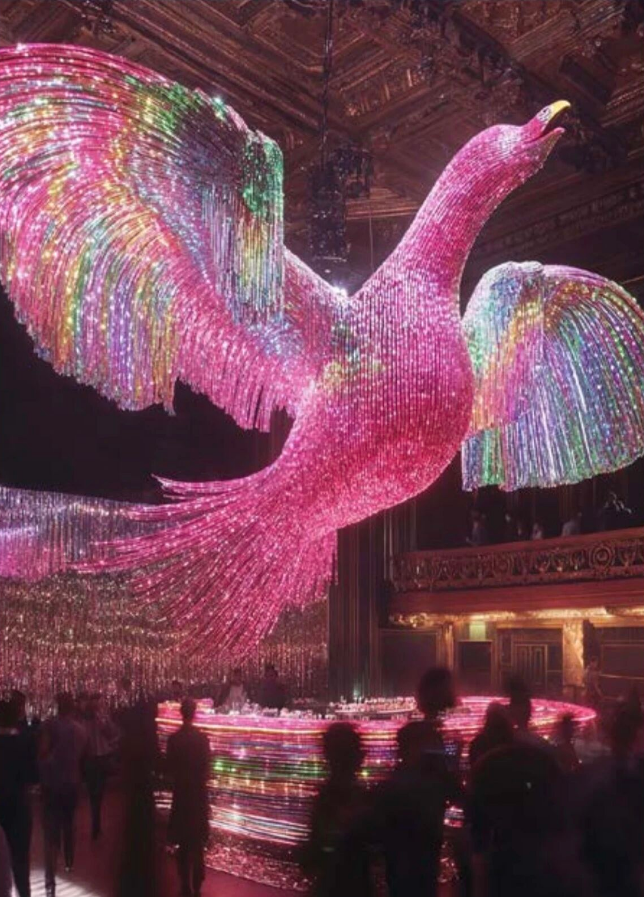
5. Five Core Product Features of MagicStage
Read together, these five features directly answer the five pitfalls above. Features 1 and 3 solve the structural-shape problem. Feature 4 solves camera compatibility. Feature 2 solves load-bearing and transport pressure. Feature 5 solves low-grayscale quality and failure propagation.
6. MagicStage Specification Table
The following specifications are based on iDisplay’s MagicStage flexible carpet screen product information for stage applications.
Certifications include CE, RoHS, and FCC. The product line covers P5, P6.25, P10, P15.625, P20, and P25, with custom sizes available.
7. How to Inspect a Flexible LED Carpet Screen Upon Delivery
The following eight checks can be completed when the product arrives, before the screen is rigged. Each item directly corresponds to one of the common failure modes above.
8. FAQ
Does a flexible LED carpet screen really deliver the same brightness and color as a standard LED screen?
Yes. A flexible LED carpet screen is a subcategory of LED display technology, not a lower-performance version. It delivers the brightness, color performance, and stability expected from standard LED displays. MagicStage provides full-color display performance with a typical brightness of 800 nits, with brightness varying depending on screen length, and 16-bit grayscale.
Why is the drive method more important than refresh rate for camera applications?
Because refresh rate alone cannot remove the scanning pattern. With PWM scanning, scan lines and moiré can still appear in low-grayscale scenes. MagicStage uses static drive with integrated LED and driver IC technology, so there is no scanning pattern to interfere with the camera.
Can flexible LED carpet screens be used outdoors?
Yes, when the correct outdoor pixel pitch is selected. MagicStage P10, P15.625, and P20 support IP65 protection and are defined for indoor and outdoor use. Transparency up to 75% allows wind to pass through the screen, and the screen can be built with Class VI flame-retardant performance. Outdoor projects should still require the supplier to provide a written wind-resistance rating.
How much does a flexible LED carpet screen weigh per square meter?
MagicStage is within 3 kg/m² for the main stage-use range, with weight varying from 4 kg/m² for P5 to 2 kg/m² for P20. It is approximately one-fifth to one-tenth the weight of traditional soft LED screens, which are commonly 15-30 kg/m².
What curvature radius can MagicStage achieve?
MagicStage can be customized to any radius. It does not rely on a fixed minimum radius threshold. Instead, it is built according to the designer’s intended shape and contour.
What happens if one LED fails?
The failure does not spread. Each MagicStage LED has an independent address code, so one failed LED does not affect the surrounding LEDs. This is different from breakpoint resume designs, where an interruption in one strip section can cause downstream LEDs to go dark.
How much screen area can one flight case hold?
One flight case can hold 50 m². The rollable and foldable structure makes this packing density possible and helps reduce shipping and labor costs during touring.
Who manufactures MagicStage?
MagicStage is manufactured by Shenzhen iDisplay LED Technology Co., Ltd., established in 2018. The company is based in Longhua District, Shenzhen, with a factory in Huizhou covering approximately 6,000 m² and a monthly capacity of approximately 5,000 m².
About iDisplay
Shenzhen iDisplay Technology Co., Ltd. positions its Magic Carpet series as a preferred solution for large-scale flexible creative LED displays for stage applications. The core idea is to achieve creative LED display by reducing structure, not adding structure.
The company integrates engineering R&D, manufacturing, and sales. It operates under ISO 9001:2015 and ISO 14001:2015 management systems and holds certifications including CE, EMC, FCC, RoHS, TUV, SASO, CB, KC, PSE, and energy-saving certifications. Accessories meet ETL / UL certification requirements.
Core products include MagicSky flying carpet screens, MagicStage flexible creative carpet screens for stage applications, MagicCanvas, MagicFlag stage flag screens, Magic Garments smart wearable LED clothing, and transparent rental stage display solutions.
Service areas include stage and event production, sports events, touring projects, theme parks, system integrators, and commercial display contractors.
Next Step
If you are selecting a flexible LED screen for an upcoming tour, launch event, opening ceremony, or closing ceremony, the fastest next step is to share your shape, total area, and rigging limits.
MagicStage is quoted by project, depending on pixel pitch and custom shaping requirements. Send us your stage layout, and we will help turn your creative concept into a buildable LED display solution.https://www.idisplayled.com/productdetails2024/Magicstage
Contact
Shenzhen iDisplay Technology Co., Ltd.
Address: 3F, Door 2, Building 5, Fulongte, Dalang, Longhua, Shenzhen, China
Phone: 18476878822
WeChat: jannelee88